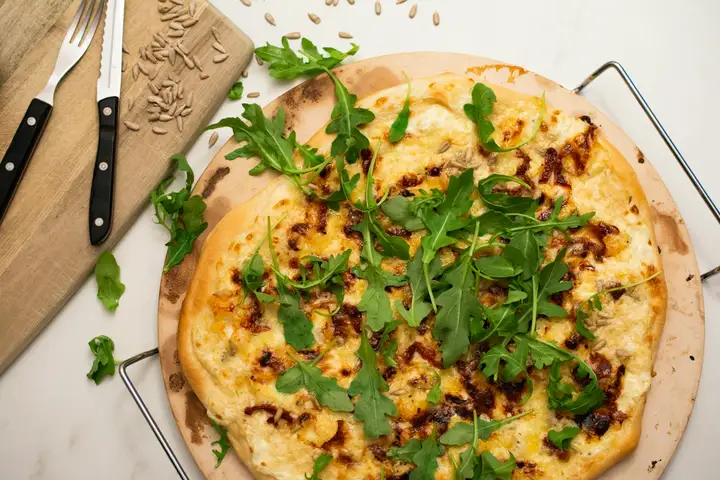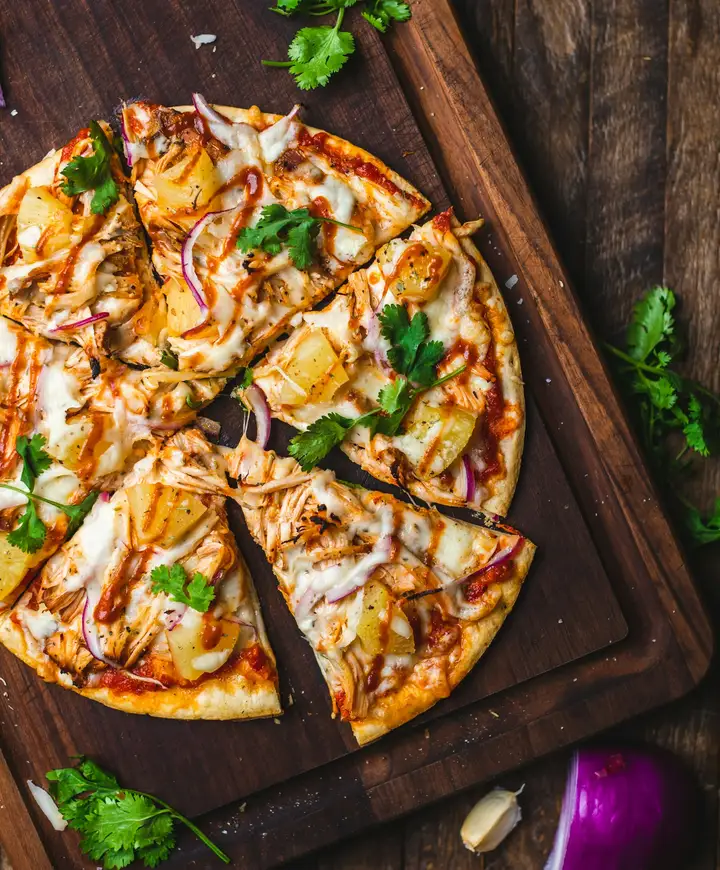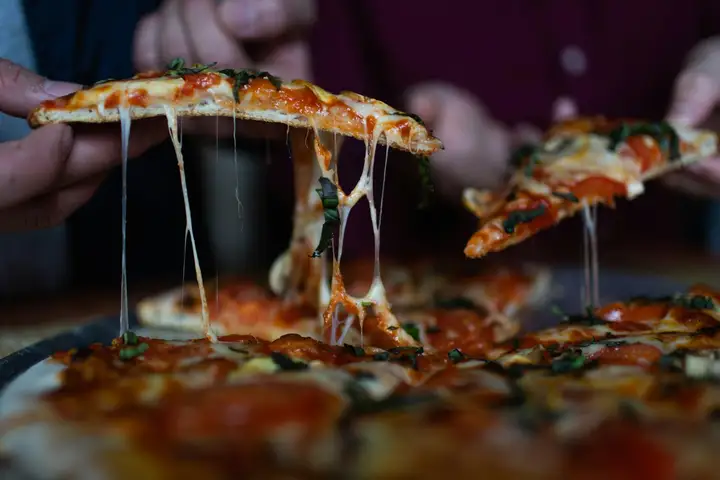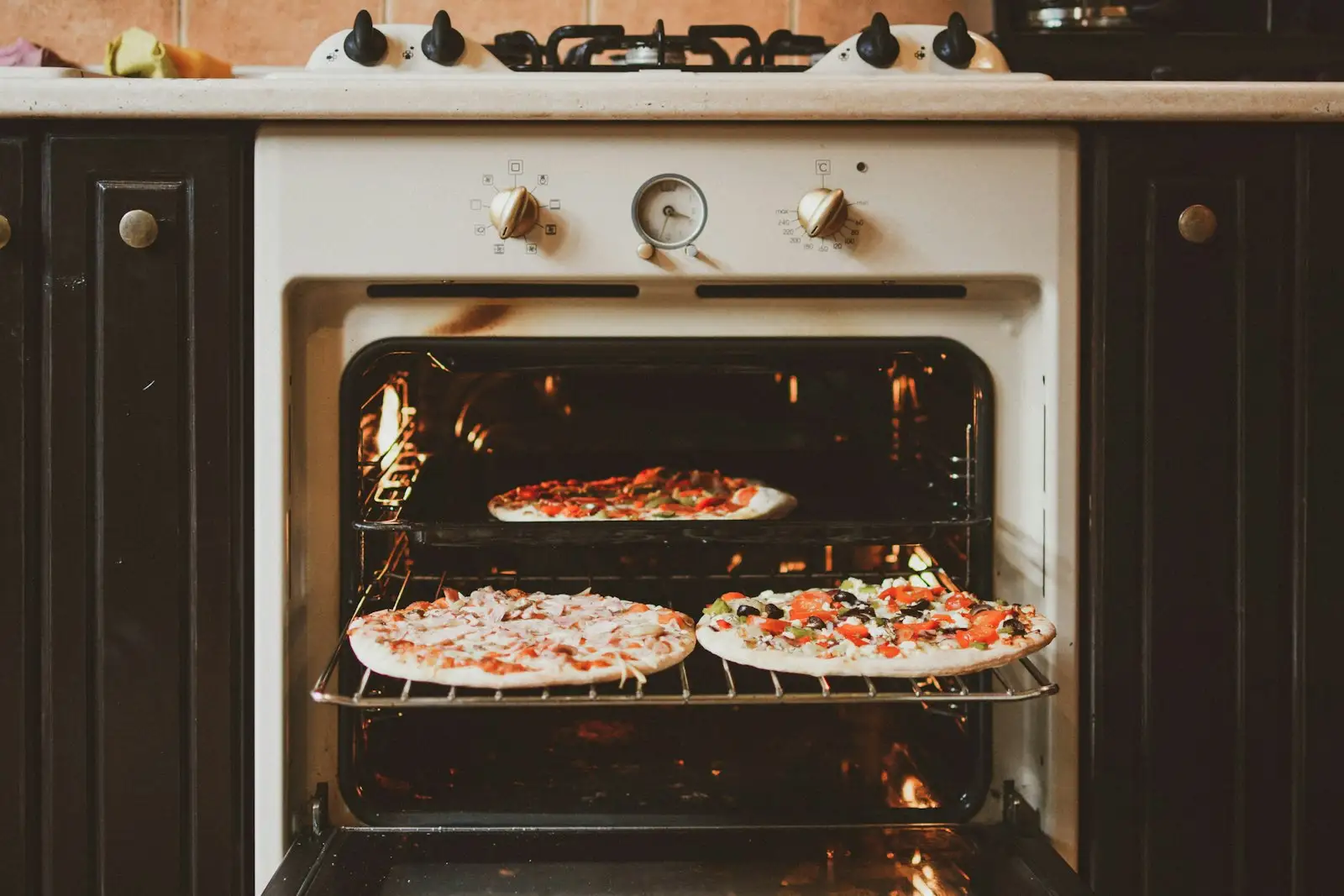
The pizza stone is the cheapest upgrade to home pizza, and the most commonly misused. Most people pull a pale, sad pie out of the oven and blame the stone, when the real problem is that they preheated it for ten minutes instead of an hour, or washed it with soap, or dropped a cold one into a screaming oven and cracked it. Used correctly, a stone turns a regular home oven into something that bakes a genuinely crisp crust. Here is how to use a pizza stone properly: in the oven, on the grill, with or without a peel, and without ruining it.
TL;DR
- Preheat it hard. Put the stone in a cold oven, crank the oven to its max (500 to 550F), and wait 45 to 60 minutes. This is the step everyone shortcuts, and it is the whole game.
- Place it in a cold oven and heat them together. Dropping a cold stone into a hot oven is the main way stones crack (thermal shock).
- Launch off a floured peel. Dust the peel with semolina or cornmeal, build fast, shake to confirm it slides, then launch with one confident motion. No peel? Build on parchment on a flat sheet and slide it on.
- Put the pizza directly on the stone. No foil, no pan underneath. Direct contact is what crisps the bottom.
- Never wash it with soap. A stone is porous and will drink it up. Scrape, wipe, done. Do not season or oil it either; it is not cast iron.
- It works for frozen pizza, on a grill, and in any oven. Just keep it out of a stovetop burner.
What a pizza stone does (and why preheating is everything)
A pizza stone is a slab of thermal mass, usually cordierite or a similar ceramic. It does two things a metal oven rack cannot. First, once it is fully heat-soaked, it holds a large reserve of heat and dumps it into the dough on contact, blasting the bottom crust crisp in the first 60 seconds. Second, its slightly porous surface wicks moisture away from the underside of the dough, so the crust dries and crisps instead of steaming. Serious Eats covers the why in their baking steel versus baking stone breakdown: a stone is a moderate-conductivity thermal battery, which is exactly why the long preheat matters so much.
That is the part people miss. A stone is not a magic surface; it is a heat reservoir, and an empty reservoir does nothing. A stone preheated for ten minutes is warm on top and cold in the middle, and it will give you a limp, pale crust. Heat-soaked for an hour, the same stone delivers a deeply browned, crisp bottom. The stone is only as good as the preheat. For the deeper comparison of how a stone stacks up against a steel (steel conducts faster and crisps harder, a stone is gentler and cheaper), see our pizza stone vs steel guide; if you have decided on steel, our best pizza steel guide covers which to buy.
How to use a pizza stone in the oven (step by step)
This is the core method. Everything else is a variation on it.
Where to put it and how long to preheat
- Put the cold stone on an oven rack in the cold oven. Position the rack in the middle or lower-middle for the crispest bottom. (For more top-browning, you can run the stone on an upper rack and finish under the broiler, but the lower-middle is the reliable default.)
- Set the oven to its highest temperature, usually 500 to 550F, and let the stone preheat for 45 to 60 minutes. Yes, really. An oven thermometer reaching temperature does not mean the stone has. Give the thermal mass time to fully soak. For how temperature maps to different pizza styles, see our pizza oven temperature guide.
Launching the pizza (with a peel)
- Dust your peel with semolina or coarse cornmeal (better than flour, which can burn; the coarse grains act like ball bearings). A light flour dusting also works.
- Build the pizza on the peel, quickly. Stretch the dough (see how to stretch pizza dough), then sauce, cheese, and top it in under a minute or two. A wet, topped dough that sits on the peel will glue itself down.
- Shake before you launch. Give the peel a gentle back-and-forth jerk. If the pizza slides freely, it is ready. If it sticks anywhere, lift that edge and throw more semolina under it.
- Launch with one confident motion. Set the front edge of the peel near the back of the stone, then pull the peel out from under the pizza with a quick, smooth jerk. Hesitation is what makes pizzas land folded.
Without a peel
No peel is no problem. Build the pizza on a sheet of parchment laid over the back of a flat baking sheet (or any rimless tray), then slide the pizza, parchment and all, onto the hot stone. After a few minutes you can slide the parchment out (more on that below). The inverted sheet pan is a perfectly good improvised peel.
Keeping the pizza from sticking
Sticking is almost always a launch problem, not a stone problem. The three fixes: a generously floured or semolina-dusted peel (wood releases dough more easily than metal; see our wood vs metal pizza peel comparison), a hot stone, and speed. Build fast and launch fast. If your dough regularly sticks, you are letting the sauced pizza sit too long before launching.
Parchment paper on a pizza stone: yes, with one caveat
Parchment makes launching foolproof, and it is the easiest fix for sticking. The catch is heat. Most parchment paper is rated to around 420 to 450F, and a pizza stone runs at 500F and up, so the parchment will darken, turn brittle, and can scorch or smoke at the edges. Two ways to handle it: trim the parchment to roughly the size of the pizza so there are no loose edges to flare, and after 5 to 6 minutes, once the crust has set and firmed, slide the parchment out from under the pizza and let it finish directly on the stone. You get easy launching plus a crisp, direct-contact bottom. For repeat bakes, semolina or cornmeal on the peel is the cleaner long-term answer than burning through parchment.
Frozen pizza on a pizza stone
A preheated stone is better for frozen pizza than the wire rack the box usually recommends, because it crisps the bottom instead of leaving it pale. Preheat the stone as usual, then slide the frozen pizza directly onto it, no thawing. The only real caution is thermal shock: a rock-solid frozen pizza onto a stone at max heat is a minor stress for a cheap stone, so a quality cordierite stone handles it more reliably. If a particular frozen pizza box explicitly warns against a stone, follow the box, but in general this is one of the easiest wins a stone offers.
Using a pizza stone on a grill
A stone turns a gas grill into a surprisingly good pizza oven, since a closed grill traps heat like an oven and runs hotter than most home ovens can. Set the stone on the grill grates, close the lid, and preheat 20 to 30 minutes. Use medium or indirect heat: a roaring direct flame under the stone will scorch the bottom of the pizza before the top cooks. Watch for flare-ups, and rotate the pizza partway through, since grills heat less evenly than ovens. The grill route is also the closest most people get to the high floor temperatures of a dedicated outdoor pizza oven without buying one.
Using a pizza stone in an electric oven or on a stovetop
In an electric oven, use the stone exactly as you would in a gas oven: cold start, long preheat, highest temperature. There is no difference in method. If anything, electric ovens hold steadier heat, which suits a stone well.
One firm don’t: do not put a pizza stone on a stovetop burner, gas or electric, and never on a glass or ceramic cooktop. A burner heats the stone in one concentrated spot, which can crack the stone, and the weight and heat can crack a glass cooktop, which is not rated to be a cooking surface for a heavy stone. A pizza stone belongs in the oven or on a grill. The common search for using a stone “on an electric stove” almost always means the electric oven, which is just an oven.
Caring for your stone (what to skip)
A pizza stone is nearly indestructible if you avoid a short list of mistakes. Most of these are the same care rules from our how to clean a pizza stone guide, because using a stone well and not ruining it are the same skill.
- Never wash it with soap. A stone is porous and will absorb dish soap, then transfer that taste to the next pizza. Let it cool, scrape off any stuck bits with a bench scraper or a stiff brush, and wipe with a damp cloth. That is it.
- Do not season or oil it. This is the most common myth. A stone is not cast iron. Oil soaks into the pores, goes rancid, and smokes on the next preheat. Bare is correct. (FibraMent, a stone manufacturer, says the same: no soap, no oil.)
- Avoid thermal shock. Cold stone into a hot oven, or a hot stone hitting cold water, is how stones crack. Always heat it from cold, and cool it fully in the oven before removing or rinsing.
- Let stains be. A used stone turns brown and blotchy. That is seasoning-by-use and char, not dirt, and it does not affect performance. Do not scrub it back to white.
- Do not cut pizza on it. Pull the pizza onto a board to slice. A knife or wheel scratches the surface, and the stone is dangerously hot anyway.
- You can store it in the oven. Many people leave the stone in permanently; it acts as a heat sink that steadies oven temperature for everything you bake. Just remember it is in there, because it adds preheat time to whatever else you cook.
If you want to know which stone is worth buying in the first place (thickness and cordierite matter), Serious Eats tested the best pizza stones, and the short version is that a thicker cordierite stone holds more heat and resists cracking better than a thin one.
FAQ
Do you heat the pizza stone up before putting the pizza on it?
Yes, and it is the single most important step. A pizza stone is a slab of thermal mass that has to be fully heat-soaked before it can crisp a crust. Put it in a cold oven, set the oven to its highest temperature (usually 500 to 550F), and let it preheat for 45 to 60 minutes, not 10. A stone that looks hot on the surface can still be cool inside, and a cool stone gives you a pale, soggy bottom. The long preheat is the whole point of owning a stone.
Are you supposed to put the pizza directly on the pizza stone?
Yes. The pizza goes directly on the hot stone with nothing under it (or on a sheet of parchment for easy launching). Direct contact with the heat-soaked stone is what crisps and sets the bottom crust in the first minute. Do not put the stone on a baking sheet or line it with foil; that defeats the purpose.
How do I keep the pizza from sticking to the stone?
Sticking happens at launch, not on the stone itself. Dust your peel generously with flour or, better, semolina or coarse cornmeal, which act like tiny ball bearings. Build the pizza quickly and give the peel a shake before launching to confirm the dough slides freely; if it has stuck, lift the edge and throw more semolina under it. The biggest cause of sticking is letting a topped, sauced pizza sit on the peel too long, so launch within a minute or two of building it.
Can you put a cold pizza stone in a hot oven?
No, that is the main way stones crack. The rapid temperature change (thermal shock) stresses the material unevenly. Always put the stone into a cold or barely-warm oven and let them heat up together. The same logic applies to the stone after baking: let it cool down completely inside the oven before you take it out or wash it.
Can you use a pizza stone for frozen pizza?
Yes, and it beats a flimsy oven rack for crispness. Preheat the stone as usual, then slide the frozen pizza straight onto it, no thawing needed. The one caution is thermal shock: a rock-hard frozen pizza dropped onto a stone at 550F is a small risk for cheap stones, so a quality cordierite stone is safer. If your frozen-pizza box specifically says not to use a stone, follow it, but for most pizzas a preheated stone works very well.
What this earns you
A pizza stone, used right, is the difference between a pale home-oven pizza and one with a genuinely crisp, browned bottom. The rules are short: preheat it for the better part of an hour, launch fast off a floured peel, keep it out of the dishwater, and never shock it with a sudden temperature change. Get those right and the stone does the rest.
Once the stone is hot and you can launch cleanly, the rest is up to the pizza: a well-made New York crust or Neapolitan dough, a good sauce, and the right cheese to the edge. And if you do not own a stone yet, a preheated cast-iron skillet is the best stand-in, which is the whole premise of our cast iron skillet pizza method.