The difference between a calzone and a stromboli comes down to shape and filling. A calzone is a single round of pizza dough folded into a sealed half-moon, filled with ricotta and mozzarella, and served as an individual portion. A stromboli is dough rolled into a log around mozzarella and deli meats (no ricotta), sealed at the seam, baked, and sliced into rounds to share. That folded-versus-rolled distinction drives everything else in the calzone vs stromboli debate. Here is the complete breakdown, including where the confusing third option (panzerotti) fits and how to make each at home.
TL;DR
- A calzone is folded; a stromboli is rolled. That is the core difference. A calzone is one round of dough folded into a half-moon; a stromboli is dough rolled up like a log and sliced.
- Calzone is Italian; stromboli is Italian-American. Calzone comes from southern Italy. Stromboli was invented near Philadelphia in the mid-20th century.
- Calzone uses ricotta; stromboli does not. A classic calzone is built on ricotta plus mozzarella. A stromboli uses mozzarella and deli meats, no ricotta.
- Sauce: calzone keeps it out (served on the side to dip), stromboli often rolls it in (kept light, or also on the side).
- Both are made from pizza dough. The difference is shape and filling, not dough.
- Panzerotti is a smaller, fried calzone from Puglia, the third dish people confuse with these two.
Calzone vs stromboli at a glance
| Calzone | Stromboli | |
|---|---|---|
| Origin | Italy (Naples / southern Italy) | Italian-American (Philadelphia area, ~1950) |
| Shape | Folded in half, half-moon, edge crimped and sealed | Rolled like a log, seam pinched shut, sliced into rounds |
| Cheese | Ricotta + mozzarella | Mozzarella, no ricotta |
| Sauce | Kept out; served on the side to dip | Often rolled in (kept light), or on the side |
| Size / serving | Usually individual | Larger, sliced to share |
| Cooking | Oven-baked (fried version = panzerotti) | Oven-baked |
| Dough | Pizza dough | Pizza or Italian bread dough |
What is a calzone?
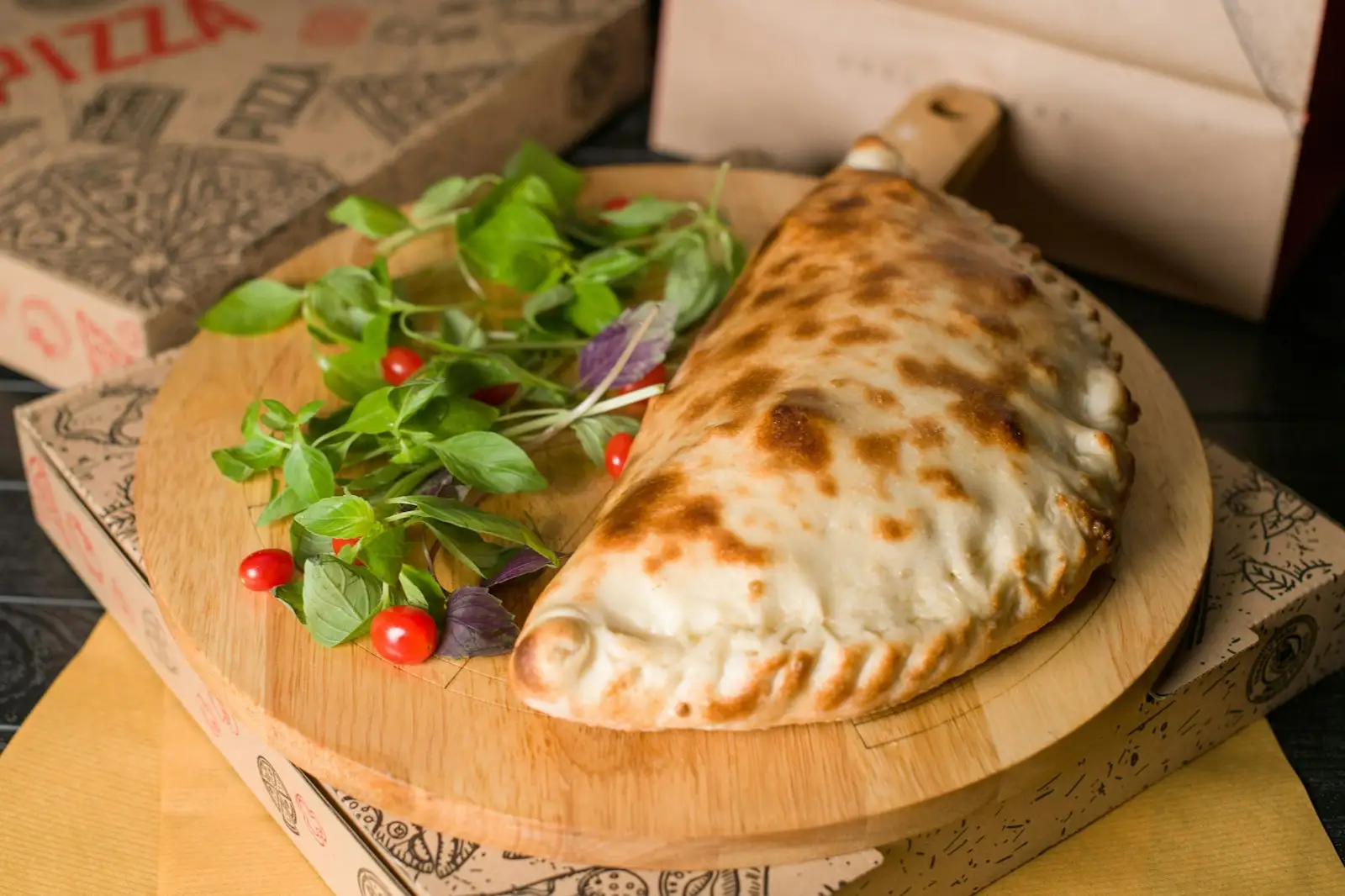
A calzone is genuinely Italian, from the south, the Naples area and the region of Apulia. Per Wikipedia’s entry on the calzone, the name means “stocking” or “trouser” in Italian, and the dish is a folded pizza: a single round of pizza dough folded in half over its filling into a half-moon and sealed around the edge. It started as a casual, eat-it-while-walking version of pizza.
The defining filling is ricotta, usually combined with mozzarella and a cured meat like salami or ham, sometimes with vegetables. Crucially, tomato sauce is traditionally kept out of the calzone; the interior is a creamy cheese mixture, and marinara is served on the side for dipping. A calzone is oven-baked and typically sized for one person.
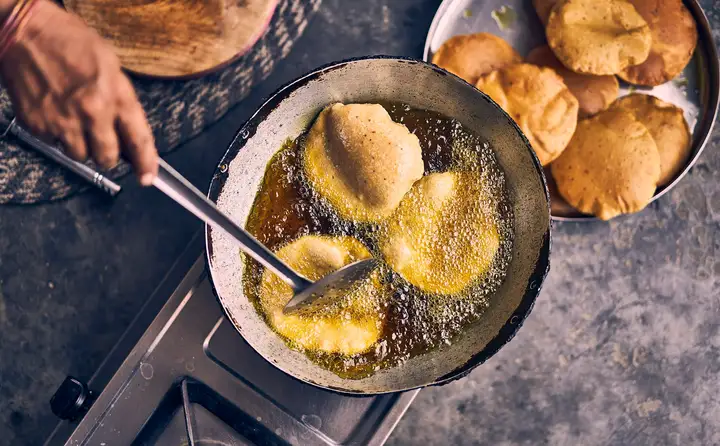
There is a close Italian relative worth naming now, because it is the third dish in the confusion: the panzerotto (plural panzerotti), from Puglia, which is essentially a smaller calzone that is deep-fried instead of baked. As Wikipedia notes, calzones and panzerotti are frequently mistaken for each other; the simplest rule is baked-and-larger equals calzone, fried-and-smaller equals panzerotto.
What is a stromboli?
A stromboli is Italian-American, not Italian. According to Wikipedia’s entry on stromboli, it was invented around Philadelphia by the mid-20th century and is named after the Sicilian volcanic island, by way of the 1950 Roberto Rossellini film of the same name. The most-cited origin story credits Romano’s Italian Restaurant in Essington, Pennsylvania, just outside Philadelphia, where Nazzareno Romano is said to have made the first one in 1950. Worth being honest here, because most articles state one origin as settled fact: Wikipedia records that there are several competing claims to the name, so treat the exact birthplace as debated. What is not debated is the broad story: an Italian-American creation from the Philadelphia area, around the middle of the last century.
Structurally, a stromboli is rolled, not folded. You spread the fillings over a rectangle of dough, then roll it up tightly like a jelly roll into a log, seal the seam, and bake it seam-side down. It is sliced crosswise into pinwheel rounds to serve, which is why a stromboli is usually larger and meant to share. The filling is mozzarella (low-moisture, to keep it from going soggy) with Italian deli meats like salami, capicola, and ham. No ricotta. Tomato sauce is often rolled in, though many cooks keep it minimal to avoid a soggy spiral and serve more on the side. The dough is pizza dough or a similar Italian bread dough.
Stromboli vs calzone: the five differences that matter
Strip away the overlap and there are really five differences that matter.
1. Origin: Italian vs Italian-American. The calzone is an authentic southern-Italian dish. The stromboli was invented in the United States, near Philadelphia, around 1950. They are not two versions of the same Old World food; one crossed the ocean and one was born here.
2. Shape: folded vs rolled. This is the one to remember. A calzone is folded once into a half-moon. A stromboli is rolled into a spiral log. Everything about how each one looks and is served follows from that.
3. Cheese: ricotta vs no ricotta. A traditional calzone is built on ricotta. A traditional stromboli has none, using mozzarella instead. If you cut one open and find a creamy ricotta filling, you are almost certainly holding a calzone.
4. Sauce: out vs in. A calzone keeps the tomato sauce out of the filling and serves it on the side to dip. A stromboli more often has a thin layer of sauce rolled into the spiral (or, again, served alongside). Sauce on the inside leans stromboli.
5. Size and serving: individual vs sliced to share. A calzone is usually a single-serving pocket you eat whole. A stromboli is a larger log sliced into rounds, more of a shareable party food.
One thing they have in common is the foundation: both start from pizza dough. The dough is not the difference. The shape, the cheese, and the origin are.
Is a stromboli just a folded pizza? (and where panzerotti fits)
This is the most common point of confusion, so to be precise: a stromboli is not a folded pizza, it is a rolled pizza. A folded pizza is a calzone. If the dough is folded once into a half-moon, it is a calzone; if it is rolled up like a log and sliced, it is a stromboli.
And the third wheel, panzerotti, slots in cleanly once you have the other two: it is a small, deep-fried calzone from Puglia. So the family looks like this: calzone (folded, baked, Italian), panzerotti (folded, fried, Italian), and stromboli (rolled, baked, American). Calzone and panzerotti are the Italian cousins separated by the fryer; stromboli is the American one separated by the roll.
How to make each at home
Both start with a good pizza dough, stretched the right way, and good low-moisture mozzarella. The technique diverges at the shaping.
Calzone
- Stretch a portion of dough into a round about 10 inches across.
- Fill one half, leaving a clear border: a few spoonfuls of well-drained ricotta, a handful of low-moisture mozzarella, and your fillings (salami, ham, cooked-and-squeezed spinach or sauteed mushrooms). Keep tomato sauce out; it goes on the side.
- Fold the empty half over the filling into a half-moon. Press out the air, then crimp or roll the edge to seal it well.
- Vent and finish: cut a small slit in the top, brush with olive oil or egg wash.
- Bake on a preheated stone at 450 to 475F for 12 to 15 minutes, until golden. Serve with warm marinara for dipping.
Stromboli
- Roll the dough into a rectangle, roughly 10 by 14 inches.
- Layer, leaving a border on all sides: low-moisture mozzarella, Italian deli meats (salami, capicola, ham), and only a thin smear of sauce if any, plus toppings like roasted peppers or sauteed onions.
- Roll it up tightly from a long edge into a log, like a jelly roll. Pinch the seam and tuck the ends to seal, then set it seam-side down.
- Vent and finish: brush with egg wash or oil, and cut three or four diagonal slits across the top to let steam escape.
- Bake at 400 to 425F for 25 to 30 minutes, until deep golden and firm. Let it rest 5 minutes, then slice crosswise into pinwheels. Serve marinara on the side.
The ricotta-or-not choice is the one to get right: ricotta inside makes it read as a calzone, mozzarella-and-meats rolled into a log makes it a stromboli.
Common mistakes with both
The same handful of errors sink most homemade calzones and strombolis, and they are easy to avoid.
- A soggy bottom. This is the big one. Too much sauce or a wet filling steams the dough from the inside. Drain the ricotta, keep sauce out of a calzone (serve it on the side), go light if you roll it into a stromboli, and bake on a preheated stone or steel for a crisp base. If you are deciding which surface to buy, our pizza stone vs steel comparison covers which one suits home-oven bakes like these.
- Wet cheese. Fresh, high-moisture mozzarella weeps and floods the inside. Use low-moisture mozzarella, and drain ricotta well. The same moisture logic that governs a good white pizza applies inside a calzone.
- Raw, watery fillings. The short bake will not cook raw spinach, mushrooms, or onions, and they release water as they go. Cook and squeeze or saute vegetable fillings first.
- Overfilling. A bulging calzone will not seal and a fat stromboli will not cook through. Leave a clear border and use less filling than feels right.
- Not sealing or venting. Crimp a calzone edge firmly (an egg wash helps it glue), pinch a stromboli seam and bake it seam-side down, and cut steam vents in the top of either. Skip the vents and trapped steam will burst the seam.
- Slicing a stromboli too soon. Let it rest about 5 minutes after baking so the spiral sets; cut it straight out of the oven and it unravels.
FAQ
What is the main difference between a calzone and a stromboli?
Shape and origin. A calzone is an Italian dish: a single round of pizza dough folded in half into a sealed half-moon, traditionally filled with ricotta. A stromboli is Italian-American: pizza dough rolled up like a log around mozzarella and meats, then sliced. Calzone folds; stromboli rolls. Calzone uses ricotta; stromboli does not.
Do calzones always have ricotta?
Characteristically yes, but not strictly. The classic Neapolitan calzone is built around ricotta plus mozzarella and a cured meat like salami or ham, and ricotta is one of the main things that distinguishes a calzone from a stromboli. That said, you can fill a calzone with whatever you like; the ricotta is tradition, not a rule. A stromboli, by contrast, traditionally uses no ricotta at all.
Is a stromboli just a folded pizza?
No, it is a rolled pizza, and that is the key distinction. A folded pizza is a calzone: one fold into a half-moon. A stromboli is rolled up like a jelly roll or a log, with the fillings spiraled inside, then sliced into pinwheels to serve. Both start from pizza dough, but folding gives you a calzone and rolling gives you a stromboli.
What is the difference between a calzone, a stromboli, and a panzerotti?
A calzone is a folded, oven-baked Italian pocket. A panzerotti (or panzerotto) is essentially a smaller calzone that is deep-fried rather than baked, from the Puglia region of Italy; calzones and panzerotti are often confused. A stromboli is the Italian-American outlier: rolled rather than folded, and American in origin. So calzone and panzerotti are close Italian cousins (baked vs fried), and stromboli is the rolled American one.
Is stromboli dough the same as pizza dough?
Yes. Stromboli is made from pizza dough or a similar Italian bread dough, and calzone is made from pizza dough too. If you have a good pizza dough, you can make either one; the difference is entirely in how you fill, shape, and bake it, not in the dough itself.
Which one has the sauce inside, calzone or stromboli?
Stromboli more often has sauce rolled inside, though many cooks keep it light to avoid a soggy roll and serve extra on the side. A traditional calzone keeps tomato sauce out of the filling (the inside is ricotta and cheese) and serves marinara on the side for dipping. So if there is sauce inside, it is more likely a stromboli, but both are commonly served with a side of sauce.
The bottom line
Remember the one rule and the rest falls into place: a calzone is folded, a stromboli is rolled. From there, calzone is the Italian one with ricotta and the sauce on the side; stromboli is the Italian-American one with mozzarella, meats, and often the sauce rolled in; and panzerotti is the little fried Italian calzone that completes the trio.
Both are some of the best things you can do with a batch of pizza dough, and now you know which is which, and how to make either one. Start with a solid pizza dough, pick your shape, and the only real decision left is ricotta or not.